
When the Flow Breaks: How to Recover a Construction Project in Trouble
You recover a troubled construction project by fixing the production system that creates the schedule not by adding people, starting more work, or typing more aggressive dates. Stabilize the people and the site first, take command with a controlled landing rather than a crash, diagnose the real constraint before choosing a fix, then work a menu of Takt recovery moves from cheapest to most disruptive. Only when every option is exhausted do you document a defensible delay. Flow beats push and on a troubled job, it beats push by months.
You Are Already Doing Something Extraordinary
If you are recovering a project in a downward spiral right now, understand this first: you have taken on one of the hardest and most respected jobs in construction. This is your playbook. And it opens with a warning, because the instinct that feels most natural in a crisis is the one that will sink you. When a job is behind, every voice around you corporate, the owner, your own gut says rush, push, and panic. Add more people. Start more work. Drive everyone harder.
That instinct is wrong, and the math proves it. You recover a project by fixing the production system that creates the schedule, not by typing more aggressive dates or piling more work into the field. Flow beats push and on a troubled job, it beats push by months.
There are only two outcomes. You can finish on the date this disciplined approach gives you, or you can finish late by rushing, pushing, and panicking. Everybody around you will ask you to do counter-productive things. Hold the line. That is the job.
What Are the Signs a Construction Project Is in Trouble?
The earlier you see the spiral starting, the cheaper it is to pull out of. Recovery begins with honest recognition. You will rarely see just one sign they cluster, and the cluster is the signal.
People and leadership:
- There are cancerous people on the project who have not been coached, transitioned, or removed.
- People are out of roles, with no clear ownership of areas.
- High turnover. Low energy and drive among the team; poor morale.
- The project’s energy needs exceed the energy of the team.
- The project team is dysfunctional. There is an unreasonable owner’s representative.
Systems and communication:
- The team does not see and remove roadblocks ahead of time.
- A failing procurement tracking system and an ineffective system to control commissioning.
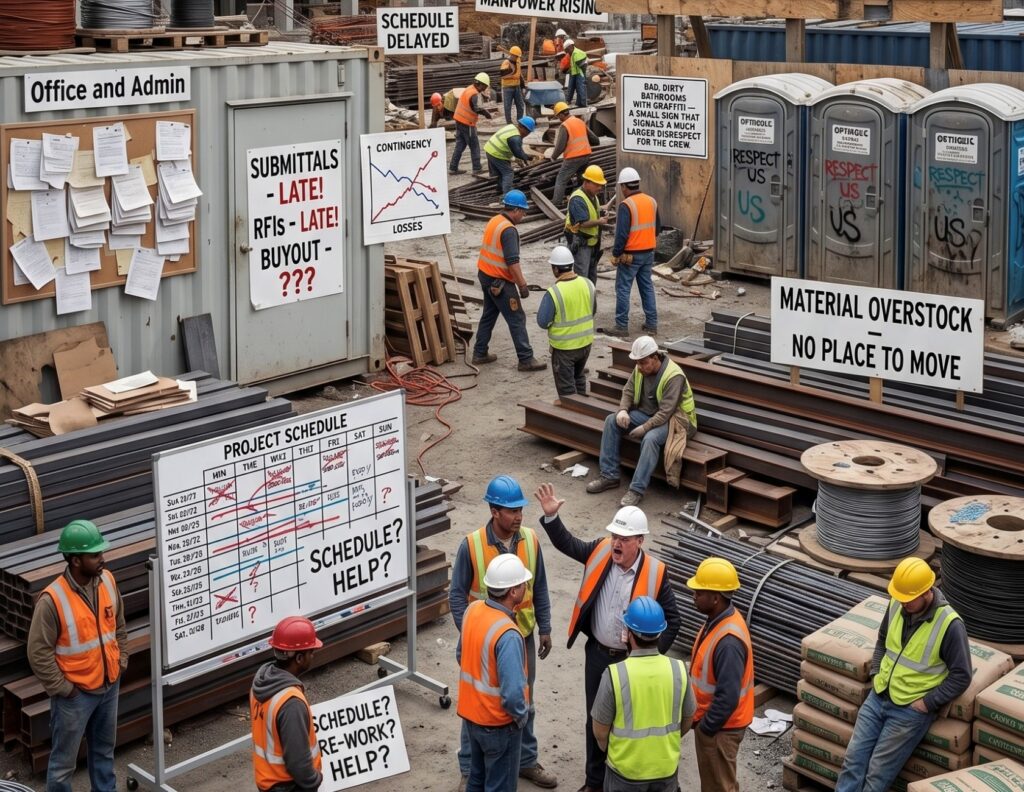
- Office communication submittals, buyout, and RFIs is chronically late.
- Communication on the project is a problem; bad meetings. There is no risk-and-opportunity register.
The work and the site:
- There is no flow to the work. More than one trade is not performing.
- Lack of cleanliness; the project is unorganized. A poor safety culture.
- Bad, dirty bathrooms with graffiti a small sign that signals a much larger disrespect for the crew.
- Manpower is rising just to hold the schedule, and inventory is piling up.
- Early even small fee or financial loss is showing up; changes and losses are unreconciled and contingency is eroding.
- There is no clear path to finish, and people are rushing. Your gut tells you so.
The control test: if you cannot easily see that the project is on track, you do not have control and if you do not know for a fact that things are going well, they probably are not. CPM hides this: logic gets dissolved and activities get stacked inside the network, so the field is drowning while the schedule still looks fine. A visual, location-based plan is what makes trouble visible early.
What Is the Downward Productivity Spiral?
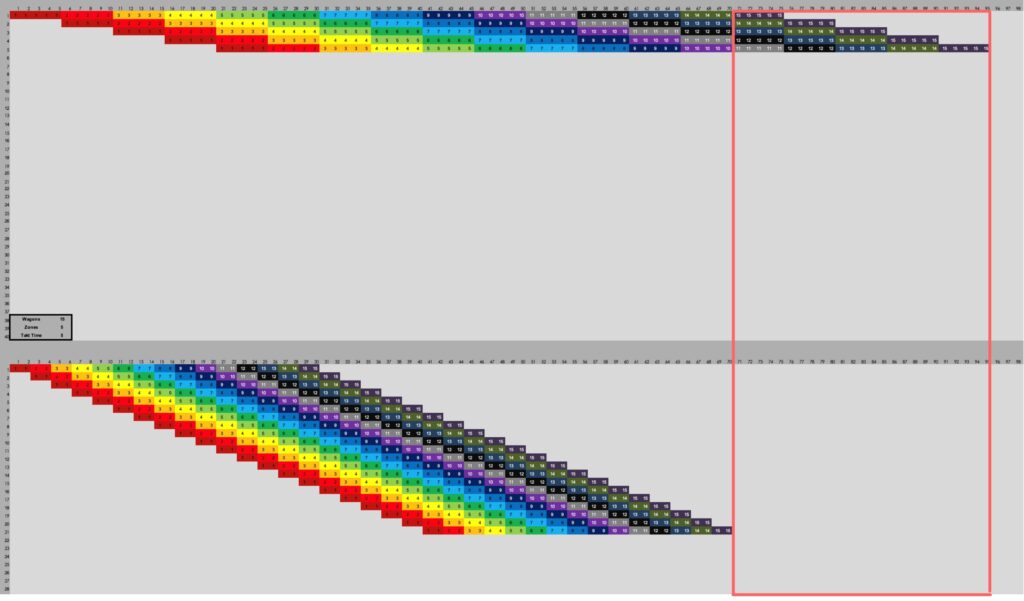
Put Work in Progress on the vertical axis, time on the horizontal axis, and mark the capacity of your resources. Someone from corporate comes down and says: let us rush and push and finish early. But the team has already been rushing and pushing. Pushing more does not pull the finish in the project enters a downward productivity spiral and finishes late. The early start that pushing seemed to promise was always a lie.
The difference between a recovery and a disaster is often just pride. On one project, hubris and a refusal to hear outside help cost a team roughly $2.5 million in fee and three-plus months past substantial completion. On another, a team that was productively paranoid that asked for help six months out held about 90% of its original fee target and finished on time. Help bought cheaply early is nothing against the loss it prevents.

Two principles make recovery help work: work through the existing team rather than parachuting in a savior who takes over and leaves the team feeling run over; and remember that adding staff adds communication channels and complexity sometimes the move that recovers a project is removing one non-performing player, not adding five new ones.
How to Take Command and Land a Project in Trouble
When you are brought in to recover a project, hold this picture in your mind: a controlled landing, not a crash landing. Nose the plane down too fast throw all the manpower and materials at a false end date, push contractors on top of each other, abandon quality and you crash it: you finish later, burn the fee, hurt people, and leave a building full of defects. A controlled descent in a flow finishes sooner than rushing, pushing, and panicking. The choice is not finish on time versus finish late it is finish as early as flow allows versus finish later by panicking. Even if a controlled landing overshoots the runway by a few days, that beats crashing the plane every time. On a representative $80–100M project, a crash landing can cost $1–4M in net fee.
Someone has to take command. Be General Patton on the battlefield: see with your own eyes, be seen by the troops, set the direction, hold discipline, and drive forward relentlessly. This is what it means to drive the project rather than push the people.
The Landing Sequence
These are the moves to make when you arrive. Some run in parallel, but the early ones are ordered for a reason especially the cleanup, which cannot wait.
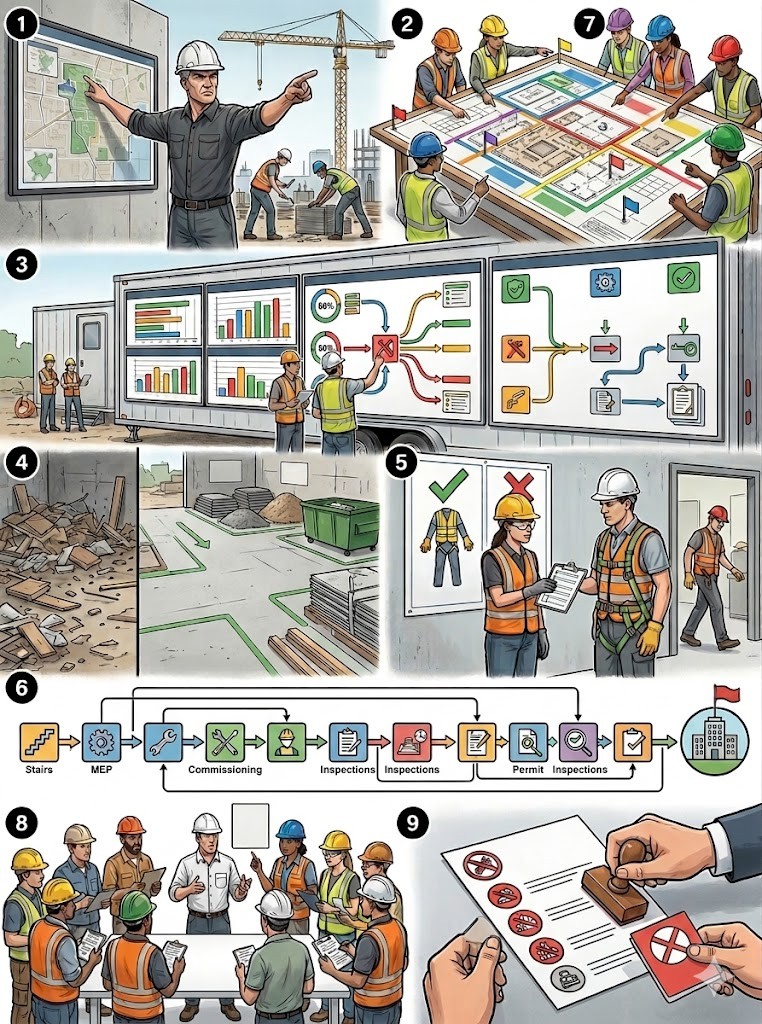
- Take command and name the leader. Recovery needs one designated, accountable driver with the tenacity to hold the line. “I’ll ask people nicely” leadership is over for the duration of the landing.
- Revisit the org chart organize by geography, not scope. Assign the most responsible person to each area: the exterior, the roof, each floor, the critical bathrooms.
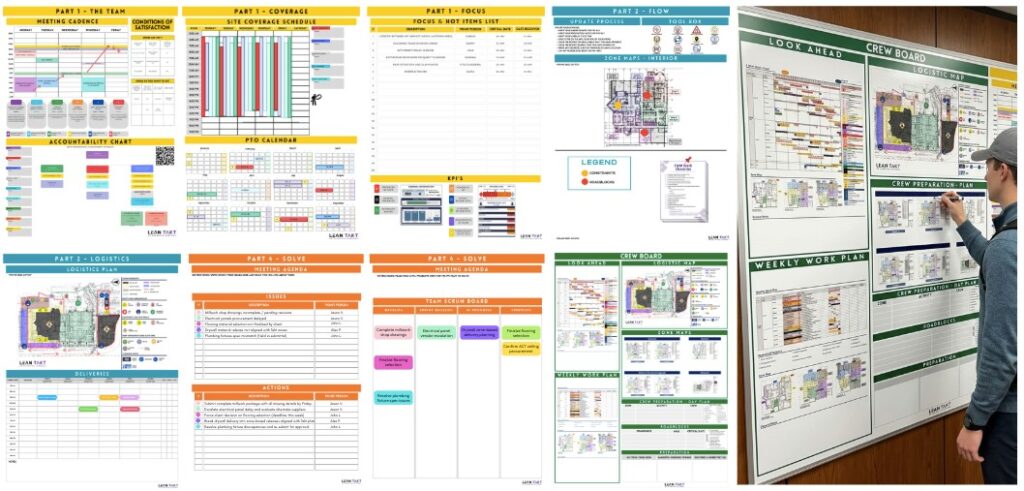
- Stabilize everything. Stand up every system at once: huddles, hot-item lists, roadblock tracking, the punch list, and the standards for safety, quality, and cleanliness. Write them down, make them visual, communicate them immediately.
- Clean and organize for two days. Sweep every floor, cycle the dumpsters, organize the piles, clear critical access, and reduce inventory to the right buffer level. By day three the site is transformed. Do not skip or reorder this.
- Switch to zero-tolerance safety. PPE, permits, fall protection, pretest plans 100%. Anyone not toeing the line is removed and comes back the next day through orientation.
- Build one plan a single path to finish. One realistic plan carrying every sequence to the end: stairs, lobbies, IDF rooms, commissioning, all inspections, comeback areas, perimeter rooms. Build it in a flow ideally a Takt plan and never fake the end date.
- Establish geographical control. Assign people and partners to areas, not scattered scopes. Every list, roadblock, and assignment gets a single accountable owner.
- Run daily team huddles. Fifteen to thirty minutes, every day, high energy. Each person reports what they finished, what they are working on, their roadblocks, and what they need.
- Fanatically track roadblocks. The designated leader presses every day: what do you need to make this go? No “I tried, I’ll do better tomorrow.” Stop, name what is needed, and get it removed.
- Map commissioning in detail. Lay out MEP startup, balancing, functional performance testing, life safety, final inspections, and AHJ requirements in a precedence/sequence map not a bar chart. Then detail it again, because the first pass is never deep enough.
- Target the hot zones. Pick the three to five critical areas, assign your best people to own them, and require daily reports. Conquer the beachhead.
- Maintain conquered territory. Keep finished areas clean, shrink the active work area as you go, and lock down completed space so trades do not drift back into it.
Hold the line. Do not push crews on top of each other. Do not do out-of-sequence work. Do not skip the quality process, the deliveries, or the organization. Do not work people 17- and 18-hour days. When the owner and corporate arrive demanding a panic, say it plainly: I have this under control, we will not build it unsafely or out of flow, and we will finish sooner this way than by panicking. Then prove it by landing the plane.
How to Diagnose the Real Constraint
The most common mistake in recovery is jumping straight to a fix add people, re-sequence, add hours without naming the real constraint. That is just guessing. Diagnose first, then select. Each type of constraint points to a different set of recovery moves.
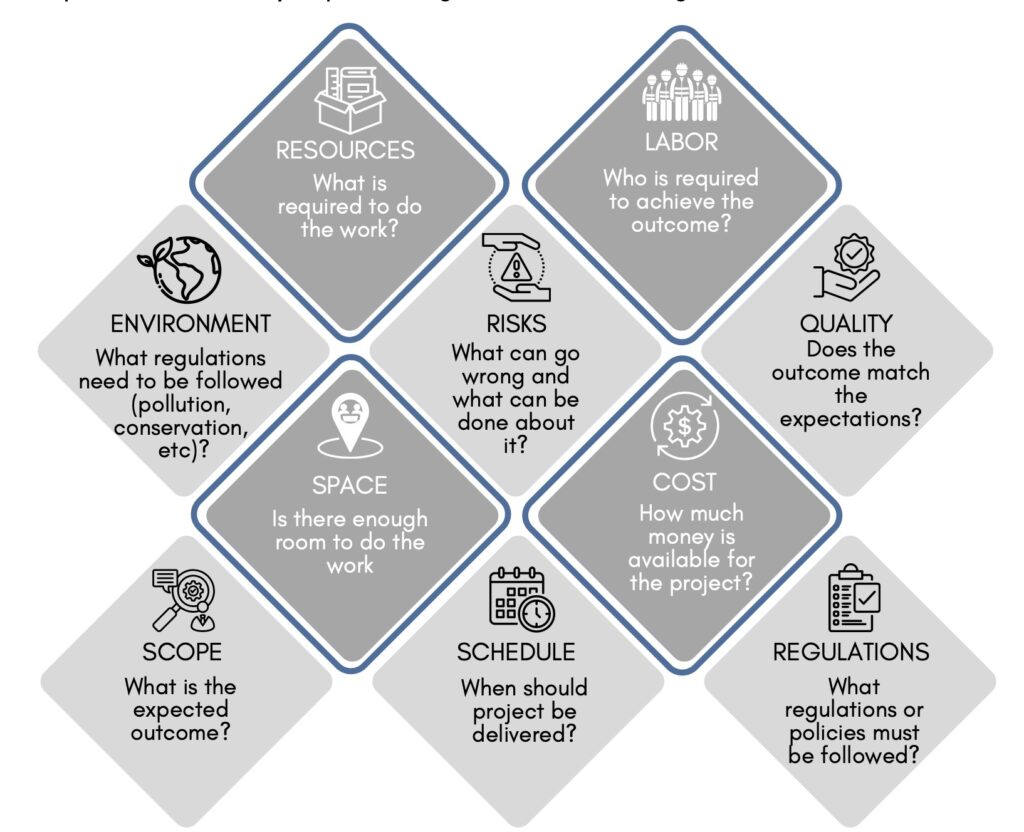
Resource constraints include lack of preparation, varying trade speeds, improper Takt time, incorrect sequence, a missing resource, and lack of appropriate buffers. Zone constraints include the wrong number of zones, physical constraints that were not planned for, and a zone that is too complex and is slowing the whole train. Systemic and behavioral constraints are whole-project conditions that tip a job into the spiral: overburden of resources, too much Work in Progress, rushing and panicking, broken Takt Rules, and fear of a court case where the team stops documenting and freezes instead of building a defensible Path of Critical Flow.
Go to the Gemba. Walk the zone before you decide. You cannot fix a constraint you have only theorized about from the trailer. Name the type, route it to the matching strategy, and only then open the menu of recovery moves.
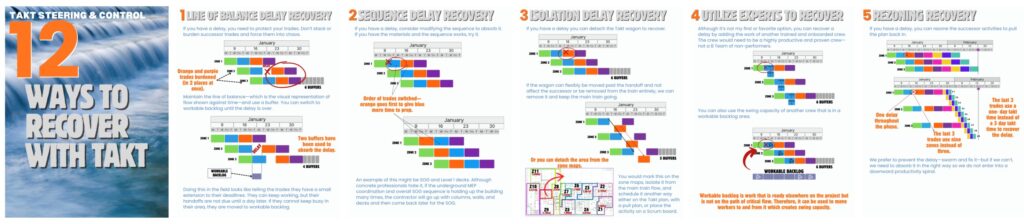
The 12 Ways to Recover with Takt
One rule runs through all twelve: protect your trades. Never recover a delay by stacking or burdening successor trades and forcing them into chaos that is the very thing that started the spiral. Run the cheapest moves first and the most disruptive last.
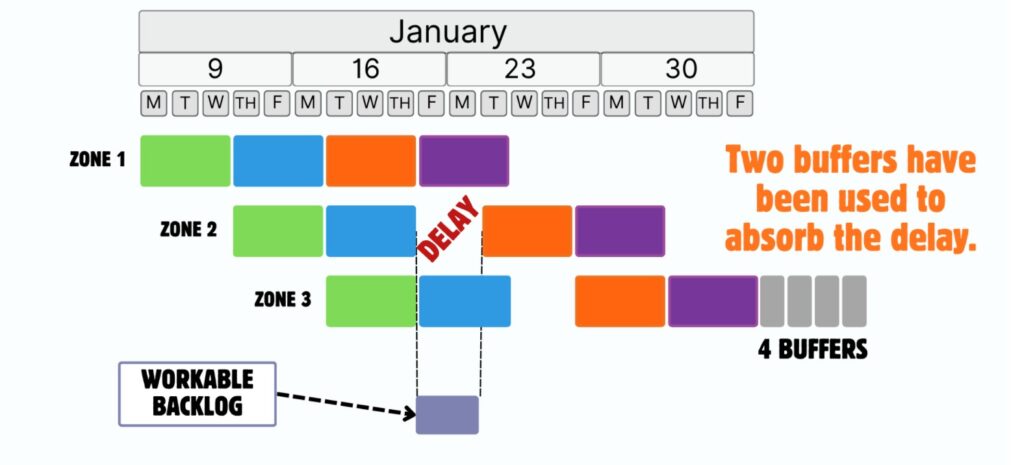
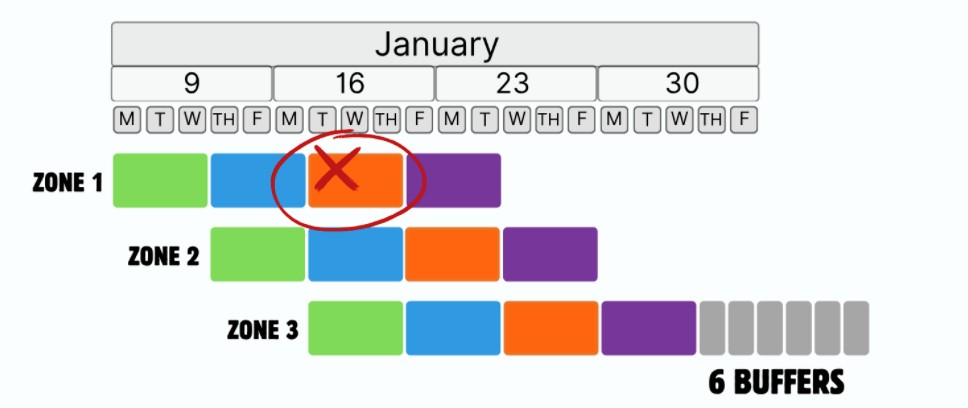
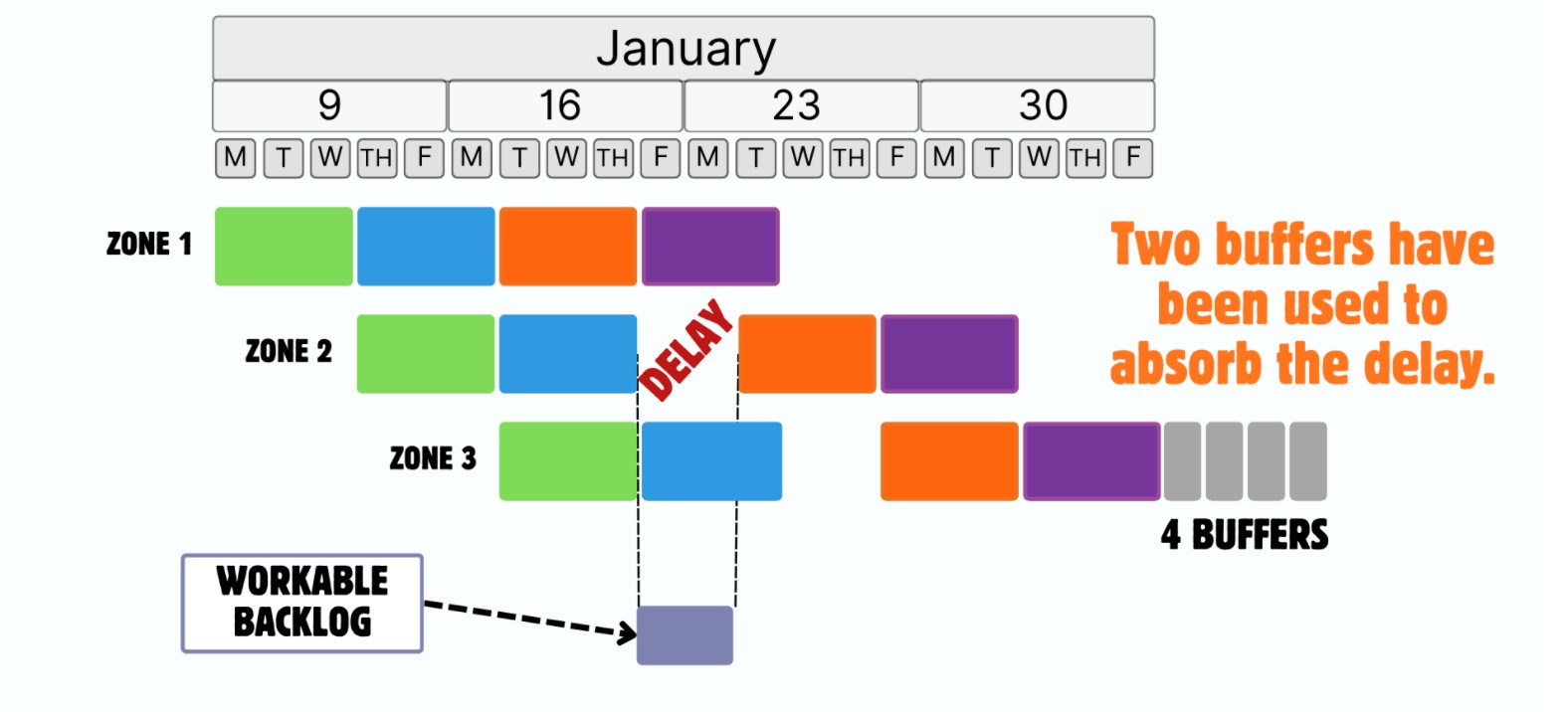
1. Line of Balance Delay Recovery. Protect your trades and absorb the delay using buffers. Where a trade cannot stay busy, switch it to workable backlog until the delay clears.
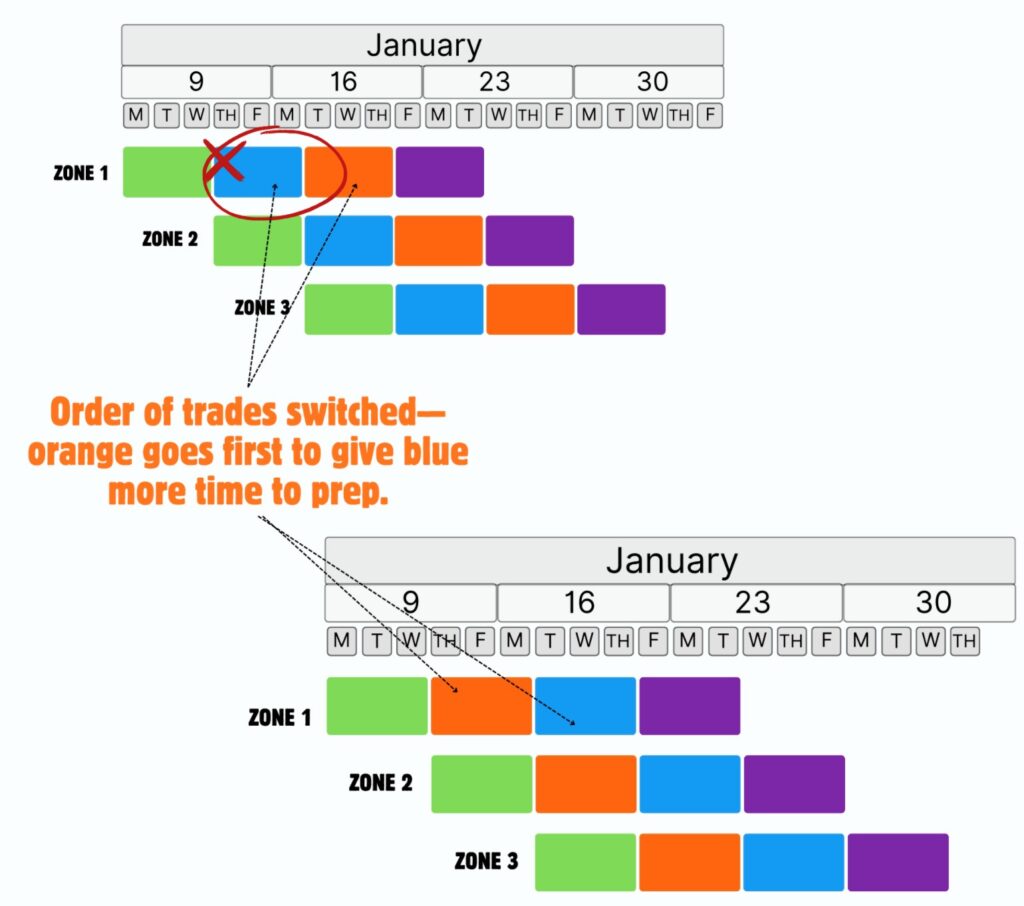
2. Sequence Delay Recovery. Modify the sequence to absorb the delay such as going up with structure while coming back later for slab-on-grade to keep the building moving.
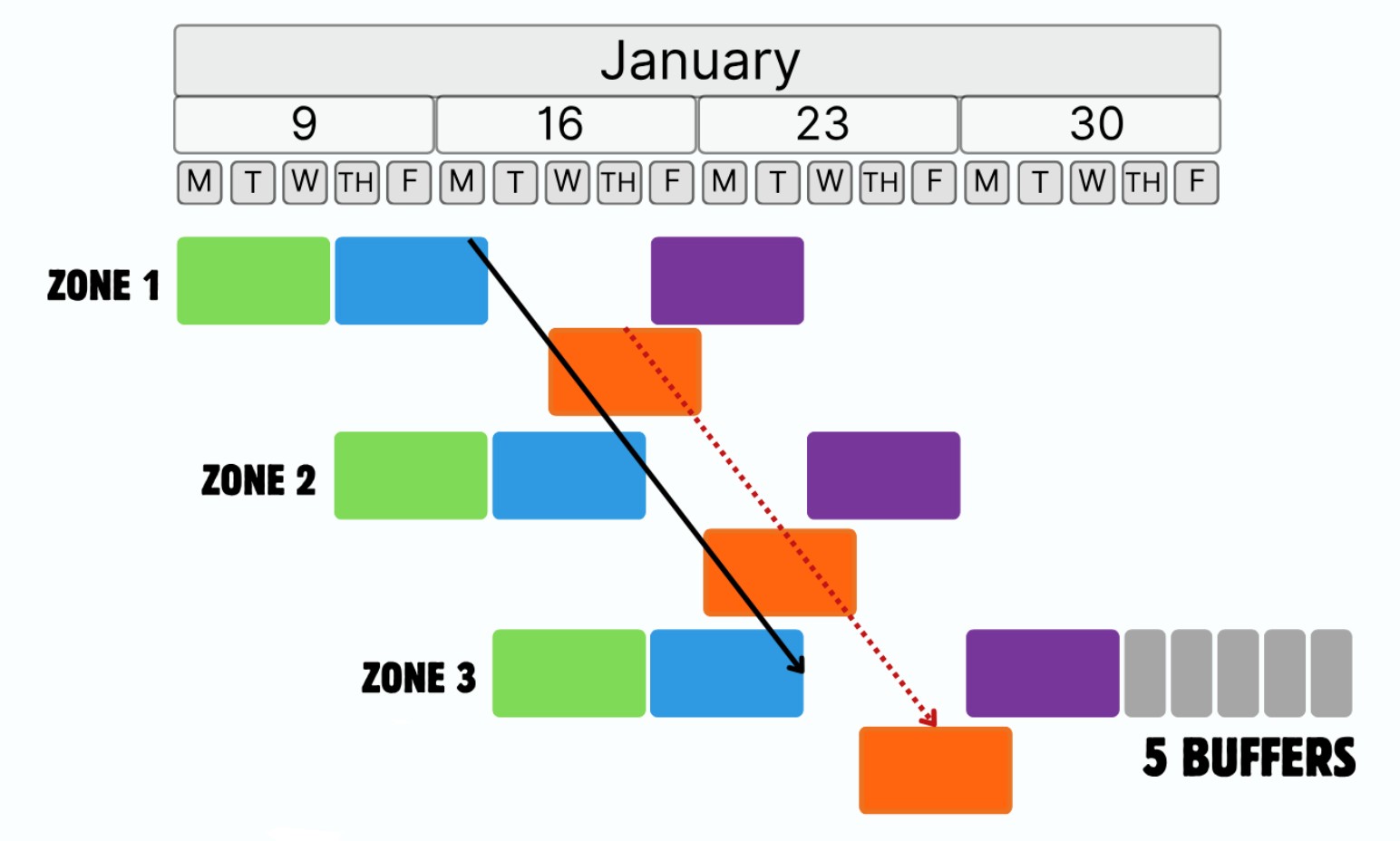
3. Isolation Delay Recovery. Detach the delayed wagon, mark it on the zone maps, and schedule it separately so the main train keeps flowing.
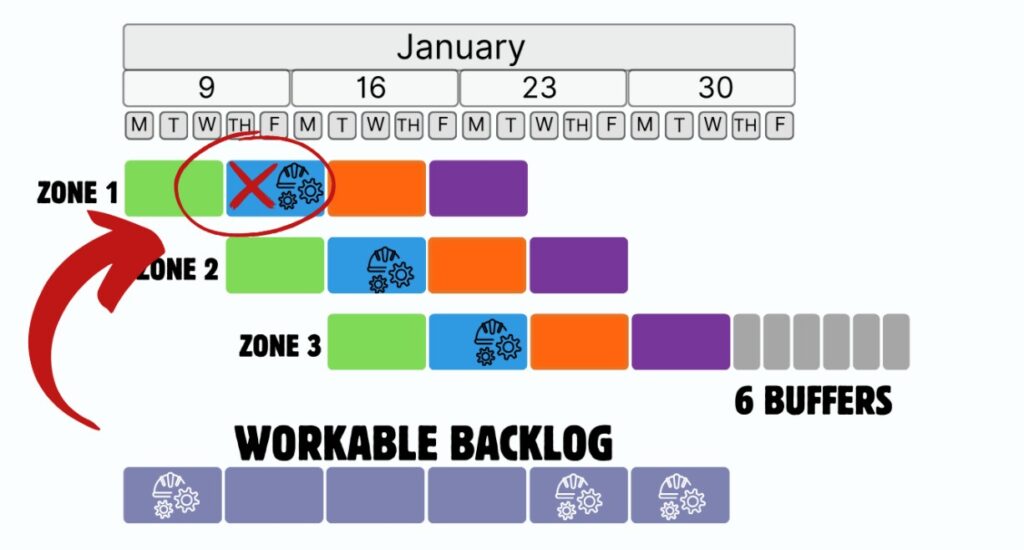
4. Utilize Experts to Recover. Add a proven, trained, fully onboarded crew or use the swing capacity of a crew working workable backlog.
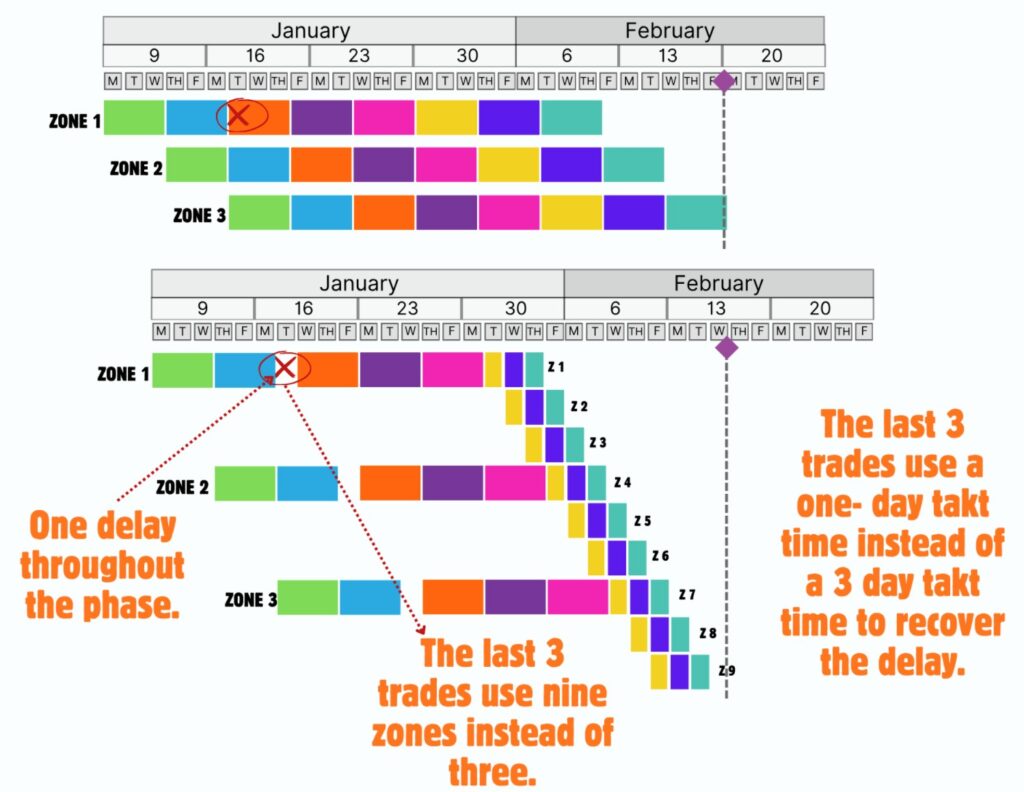
5. Rezoning Recovery. Rezone successor activities to pull the plan back for example, using nine zones at a one-day Takt time instead of three zones at three days.
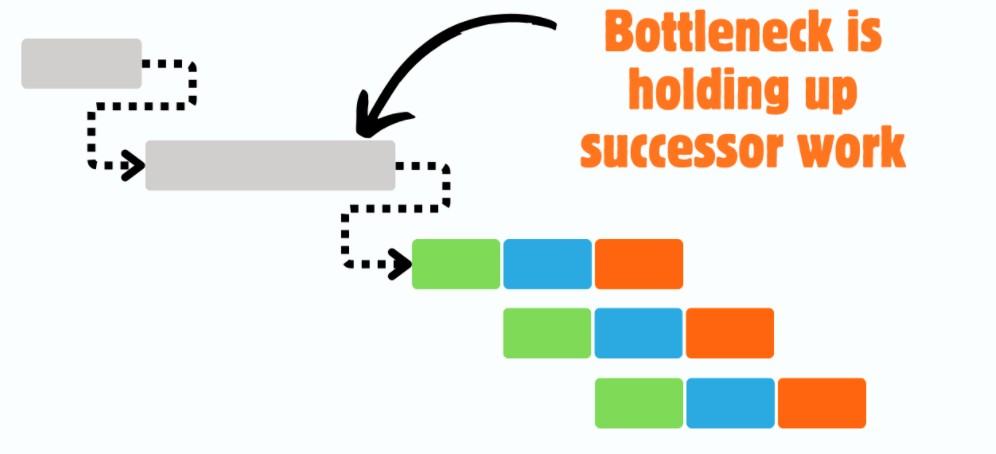
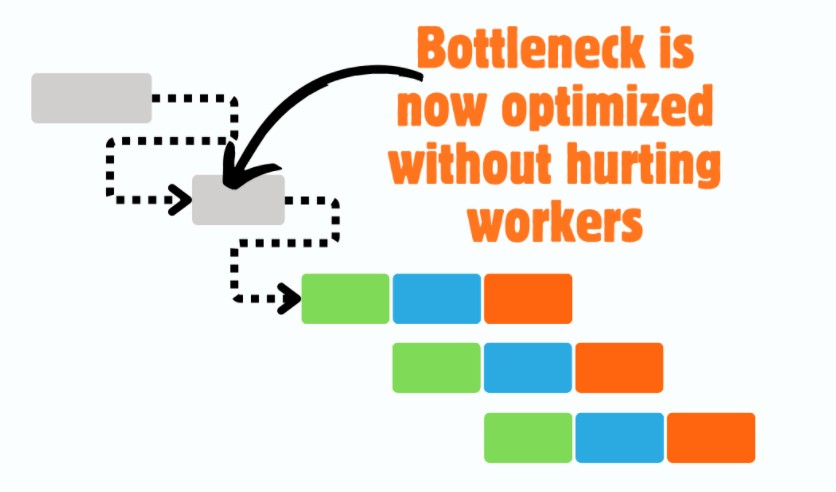
6. Design to the Work Package. Adjust the design, change equipment types, refine the install, or pre-fabricate shortening the activity without rushing people.

7. Identify and Remove Trade Bottlenecks. Adjust the work package and crew composition, improve training, shorten in-zone cycle time, and swarm the bottleneck trade with support.
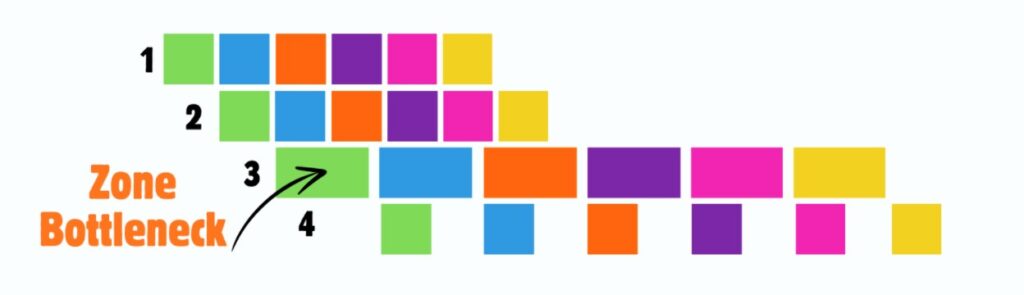
8. Identify and Remove Zone Bottlenecks. Fix the complex zone: adjust zone size, improve access, clarify expectations, organize for flow, and improve lighting and visual systems.

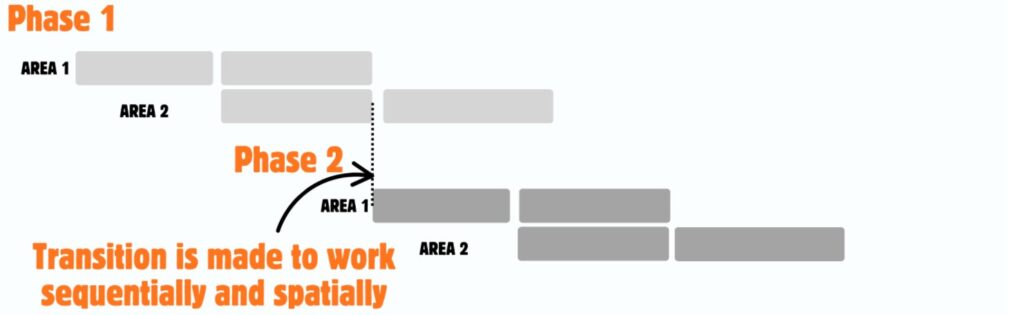
9. Phase Sequencing Constraint to Start. Break batched durations down and synchronize to successor work, moving all phases in the same direction from the end forward.
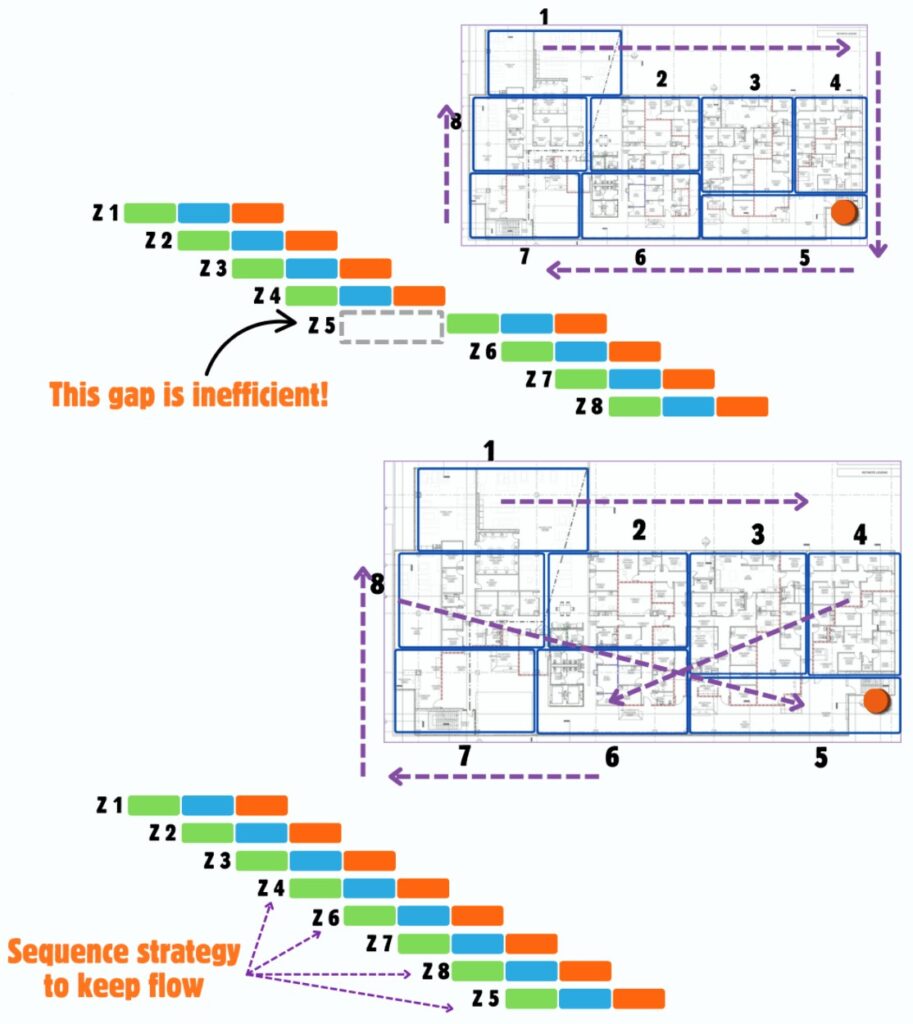
10. Overall Sequencing Strategies. Never move through zones in numerical order when a constrained zone creates a gap strategize the most efficient path that keeps flow continuous.
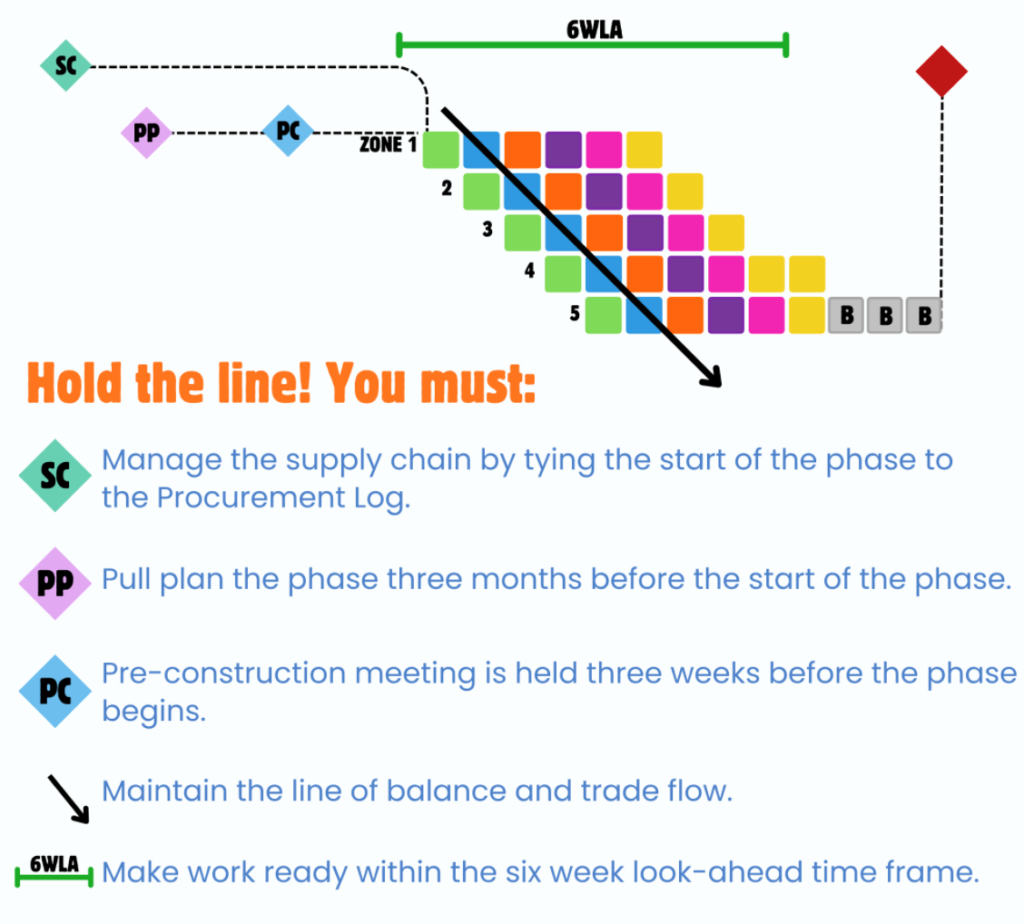
11. Align WIP and Pre-Plan. When other options are exhausted, the best acceleration is holding steady deeper planning, better communication, tighter stability.
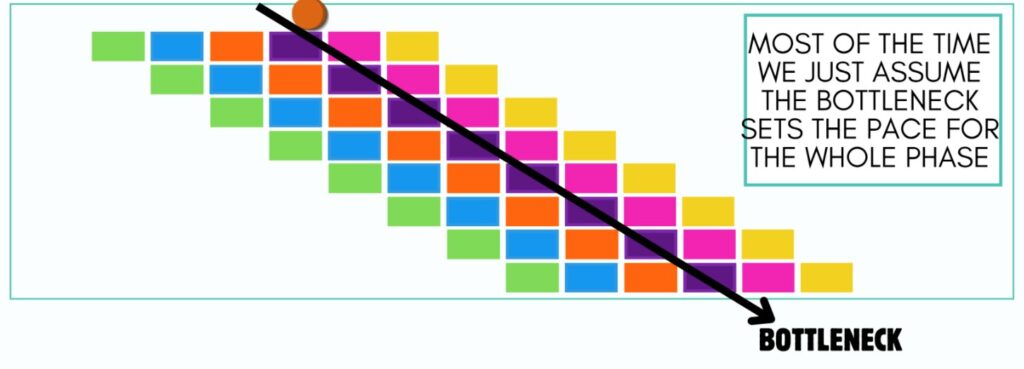
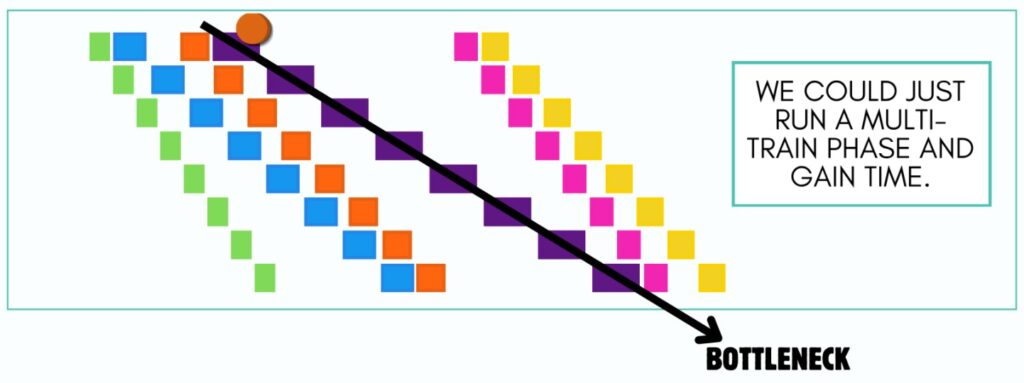
12. Pull Plan Optimization (the Velaga Method). Identify the bottleneck, optimize it, then decide whether to allow multi-train acceleration or level the phase letting each trade run at its own natural speed.
Recovery Field Essentials
Manage change orders separately. Do not let change work distract the crews building the main contract wall it off with a separate crew, separate change order, and separate management. Inventory materials, especially near the end, and get anything missing into the procurement pipeline before it becomes the constraint.
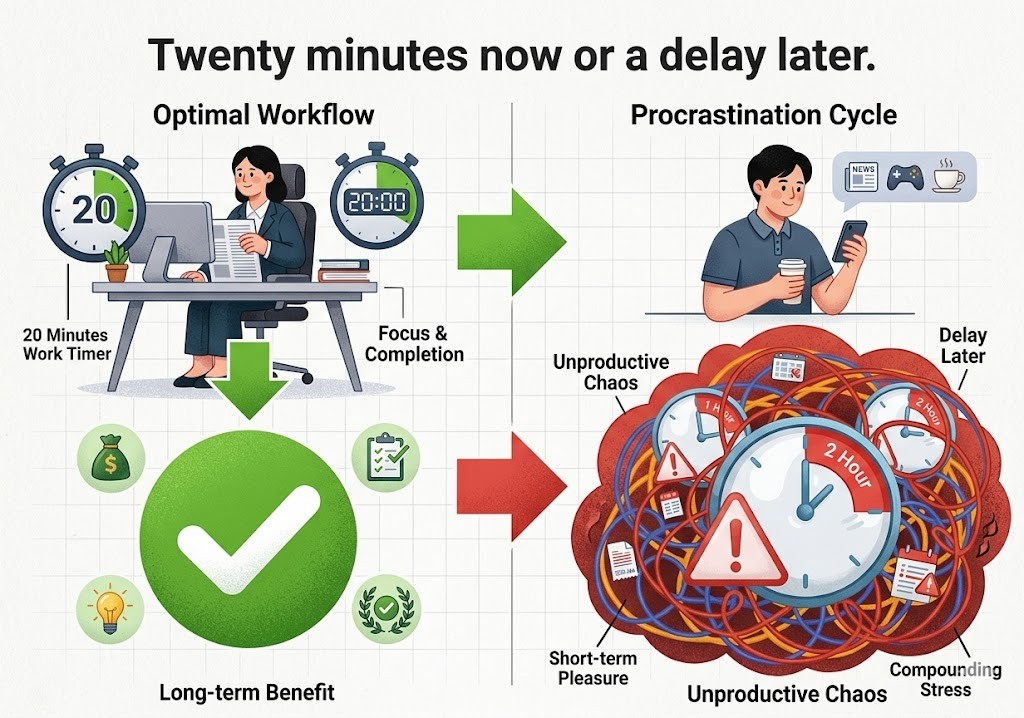
Attack late procurement aggressively rather than just forwarding the bad news. When a trade says an item is late, there are twenty to thirty actions available depending on where it is stuck: expedite the submittal, run a live coordination session with the design team, pay to expedite fabrication, visit the fabrication shop, move production to a second site, take over the shipment, find an in-spec alternate, borrow from another job, or switch vendors. Do not passively accept the constraint. Build a complete path to finish your production plan must know all the details all the way to the end, including commissioning and final testing. And double down on pre-planning rather than abandoning it. Twenty minutes spent preventing a roadblock costs nothing against the delay it prevents.
What If a Delay Still Cannot Be Absorbed?
When a delay genuinely cannot be absorbed and it moves the end date, establish the Path of Critical Flow and submit the delay but only after exhausting all four tiers of recovery options.
- Tier 1 Absorb with buffers. Use a phase buffer or other buffers in the sequence.
- Tier 2 Delay-handling strategies. Swing to workable backlog, stop and prepare, pull the work onto a separate pull plan or Scrum board, recover within the wagon, or swarm with swing capacity.
- Tier 3 The 12 Takt recovery strategies above, routed from the constraint diagnosis.
- Tier 4 Production-system optimization. Reduce Work in Progress, add capacity only at the bottleneck, reduce batch sizes, decouple shared resources, cut queue and non-value time, and adjust the calendar only where the bottleneck can use it.
A defensible delay shows the owner that every option was considered before the schedule moved. That record is the backbone of the Time Impact Analysis a summary of impact, schedule printout, the impact window and its effect on the end date, the mitigation methods attempted, an analysis of the Path of Critical Flow, the requested time and cost, and a list of all other options considered. The forensic dimension how a Takt-based delay analysis is built to stand up to the Daubert standard in court is a substantial topic covered in a dedicated post.
The Three Lines That Hold
Recovery is one of the most demanding jobs in construction, but it is not mysterious. It is the same production system as a healthy project just applied under pressure, in order, without flinching when everyone around you wants to panic. Stabilize the people and the site first. Take command with a controlled landing, not a crash. Diagnose the real constraint before you touch a lever. Work the twelve recovery moves cheapest-first. And if a delay still cannot be absorbed, exhaust every tier and document toward a defensible Path of Critical Flow. If your project needs superintendent coaching, project support, or leadership development, Elevate Construction and LeanTakt can help your field teams stabilize, schedule, and flow including the recovery discipline that lands the plane without crashing it. We are building people who build things, and the field leaders who hold the line when everyone else is panicking are the ones whose projects and people come out intact on the other side.
The Three Lines to Remember
Recovery is one of the most demanding jobs in construction, but it isn’t mysterious. It’s the same production system as a healthy project just applied under pressure, in order, without flinching when everyone around you wants to panic.
Stabilize the people and the site first. Take command with a controlled landing, not a crash. Diagnose the real constraint before you touch a lever. Work the twelve recovery moves cheapest-first. And if a delay still can’t be absorbed, exhaust every tier and document toward a defensible Path of Critical Flow.
As Jason says, “Flow beats push. Stabilize first. Finish what you start.”
On we go.
Frequently Asked Questions
What is the first thing to do when taking command of a troubled construction project?
Name the leader one designated, accountable driver with the tenacity to hold the line then clean and organize the site for two days before touching the schedule. The cleanup is not optional and cannot be reordered.
What are the 12 Takt recovery moves and in what order should they be used?
The twelve moves run from cheapest and least disruptive to most disruptive: Line of Balance Delay Recovery, Sequence Delay Recovery, Isolation Delay Recovery, Utilizing Experts, Rezoning Recovery, Design to the Work Package, Trade Bottleneck Removal, Zone Bottleneck Removal, Phase Sequencing from the Constraint, Overall Sequencing Strategies, WIP Alignment and Pre-Planning, and Pull Plan Optimization.
When is it appropriate to submit a delay to the owner?
Only after exhausting all four tiers of recovery options: absorbing with buffers, using delay-handling strategies, working the twelve Takt recovery moves, and running production-system optimization. A defensible delay shows the owner that every option was considered and documented before the schedule moved.