
Educators, Universities
& Researchers
Bring Takt into the classroom with practical simulations, educational inTakt licenses, research, and teaching resources for the next generation of construction leaders.
Explore This Page
Bring Takt Into Your Classroom
Give students a hands-on way to experience construction flow, planning, coordination, and production control before they enter the field.
TPI supports approved universities with two academic resources: a classroom-ready Lean Construction / Takt simulation package and educational access to inTakt.
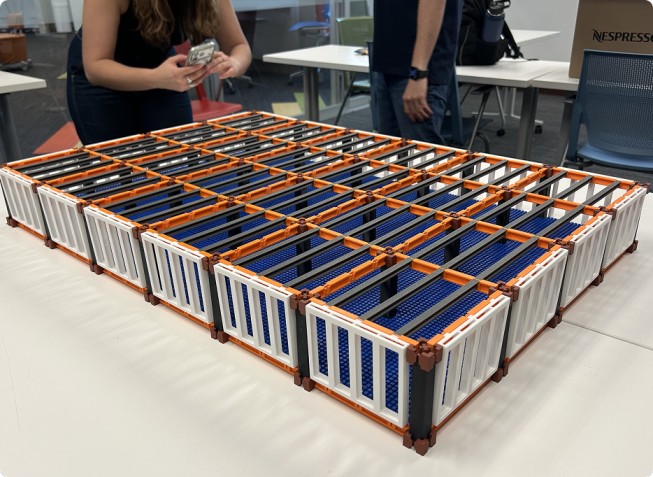
Lean Construction Simulation Kit
Run a physical simulation with your students.
Universities can request access to the digital simulation package for approved educational use. TPI provides the printable files, graphics, instructions, facilitator materials, templates, and other classroom support materials needed to prepare the simulation.
After the request is reviewed, TPI will adjust the agreement for the institution and provide the files so the university can print, assemble, and run the simulation locally.
Best for:
- Construction management courses
- Civil engineering courses
- Lean construction workshops
- Student chapter activities
- Faculty-led classroom simulations
What the university receives:
- Digital print files
- Simulation graphics
- Instructions
- Facilitator materials
- Templates and classroom support materials
University responsibility:
The university prints, prepares, and facilitates the physical simulation materials. Free for approved educational use.
Educational inTakt Licenses
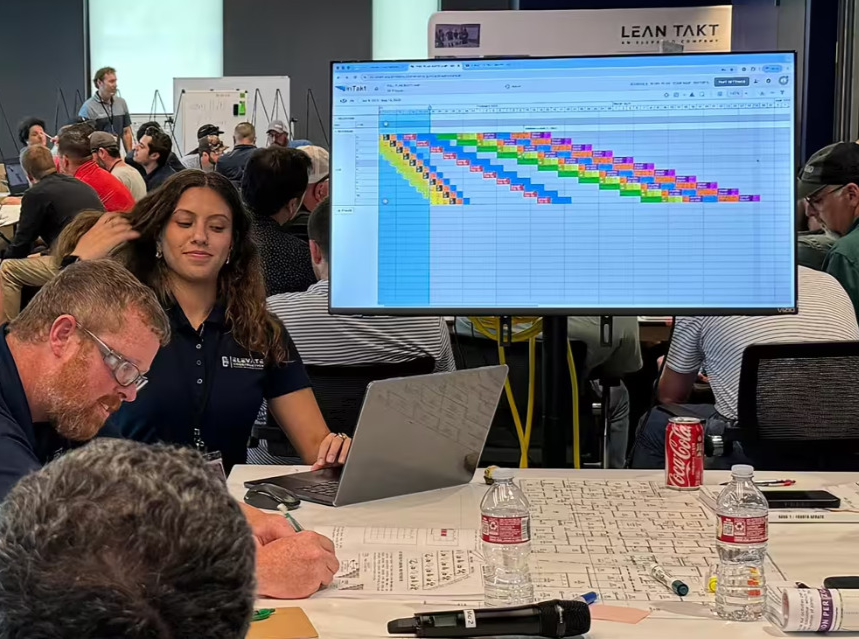
Teach Takt with real planning software.
Through TPI’s collaboration with inTakt, approved universities may request educational access to the inTakt software platform for teaching, learning, academic research, and student projects.
inTakt helps teams build visual, zone-based Takt plans, connect planning with field execution, manage work planning, track roadblocks, and keep teams aligned in one live system.
To set up access, the institution will need to identify the person who will manage the main educational account using an official university email domain.
Information needed:
- Construction management courses
- Civil engineering courses
- Lean construction workshops
- Student chapter activities
- Faculty-led classroom simulations
Reference Vocabulary
Research Papers
The terms below define the language of The Takt Production System®. They establish a shared vocabulary for builders, planners, and steerers so that the system’s ideas can be discussed, taught, and applied with precision. A selection of key definitions is shown here — click below for the complete reference.
History and Theoretical Foundations
of Takt Planning and Takt Control
Methods for Production Leveling – Transfer from Lean Production to Lean Construction of Takt Planning and Takt Control
Three-Level Method of Takt Planning and Takt Control – A New Approach for Designing Production Systems
Learning Simulation Game for Takt Planning and Takt Control
Lean Equipment Installation – Potentials of Using Takt Planning
Technical Takt Planning and Takt Control in Construction
Adjustment Mechanisms for Demand-Oriented Optimisation in Control Takt Planning and Takt Control
Short Takt Time in Construction – Practical Study
Large Scale Project Using Takt Planning and Takt Control – Creating and Sustaining Multitasking Flow
Mastering Complexity in Takt Planning and Takt Control – Using the Three Level Model to Increase Efficiency
Using Takt Planning and Takt Control in Production Projects – Comparison of Construction and Equipment Phases
Takt Resources
Additional Learning Opportunities

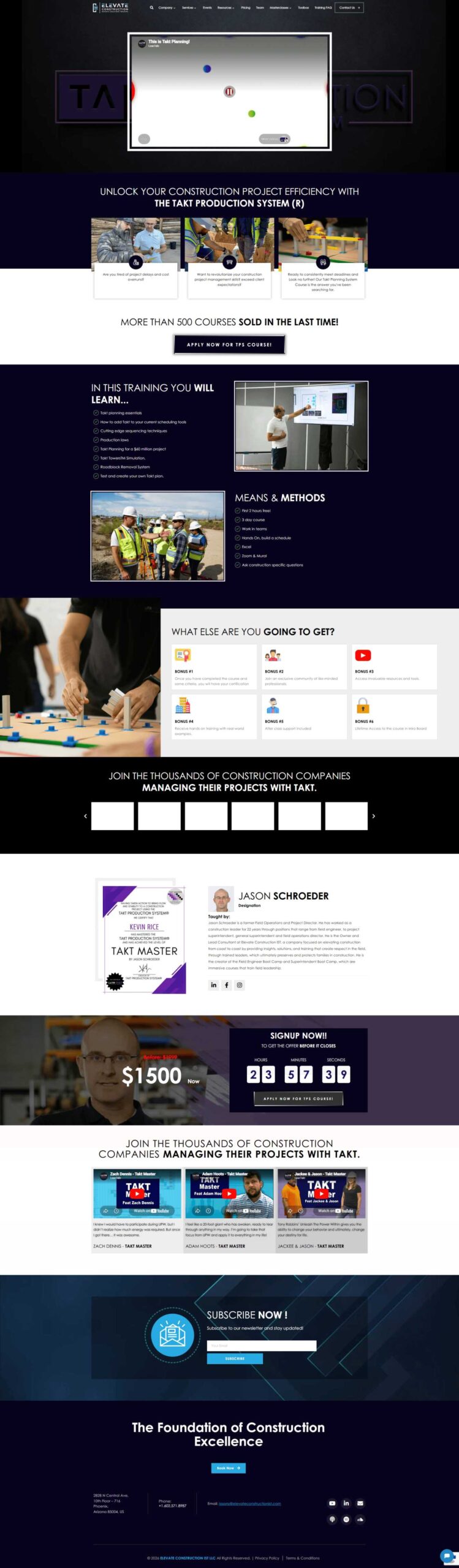
A hands-on, 3-day course where you learn to build real Takt plans, sequence work, and remove roadblocks — applied to your own projects, with certification on completion.
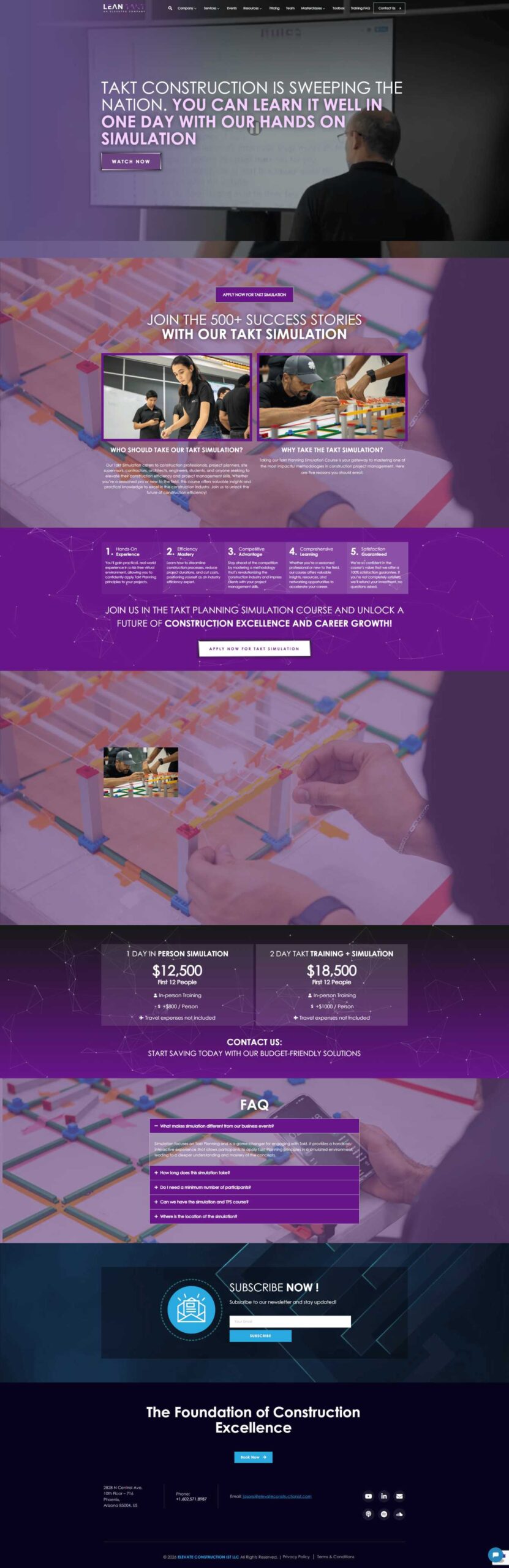
An in-person, team-based workshop where you apply Takt Planning in a live, risk-free setting. The quickest way to feel how Takt creates flow before putting it to work on real projects.
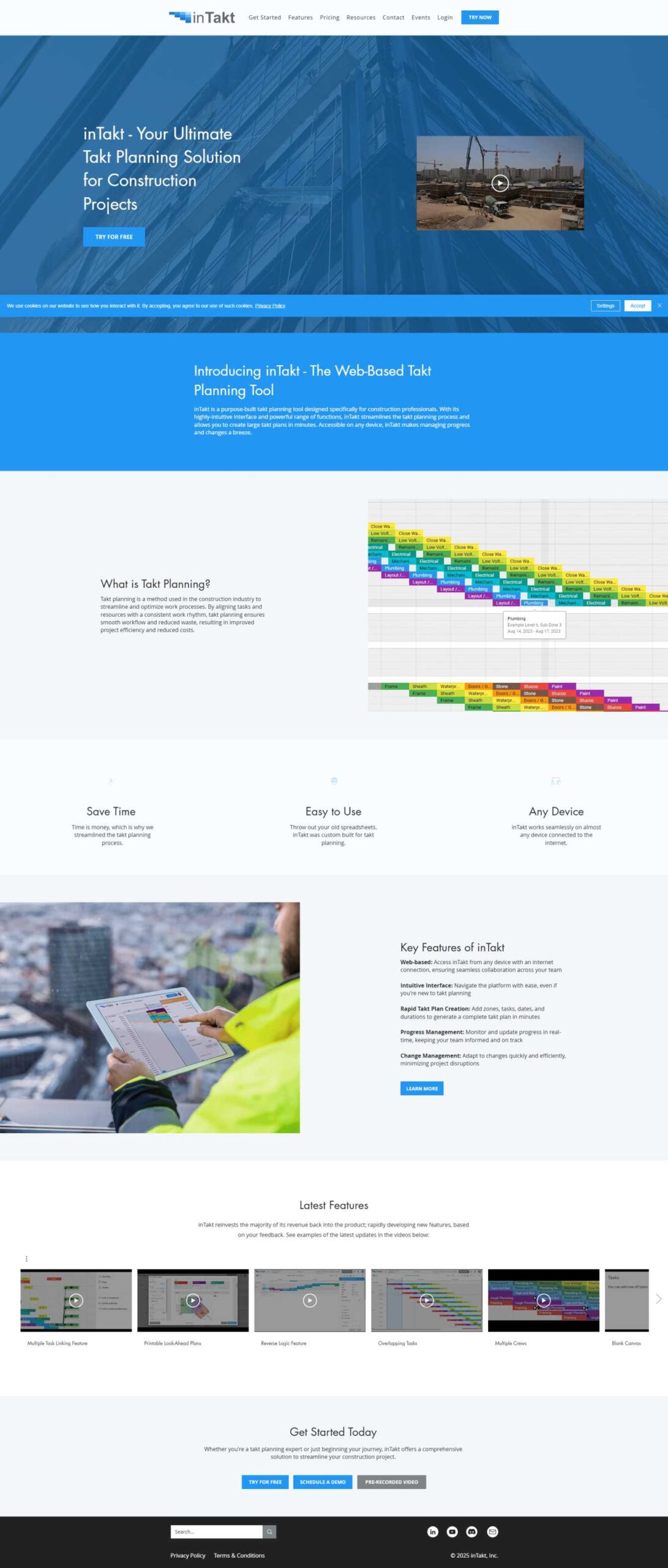
A web-based Takt planning tool built for construction. Create large Takt plans in minutes, track progress in real time, and manage changes from any device.
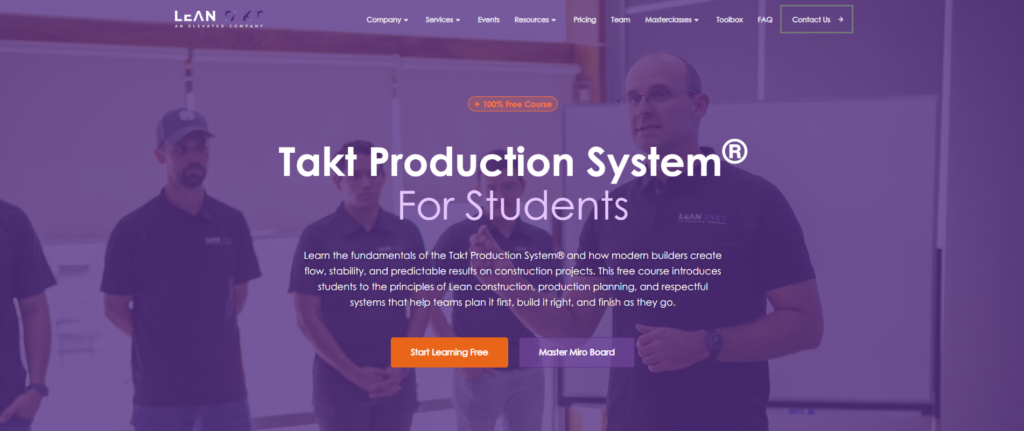
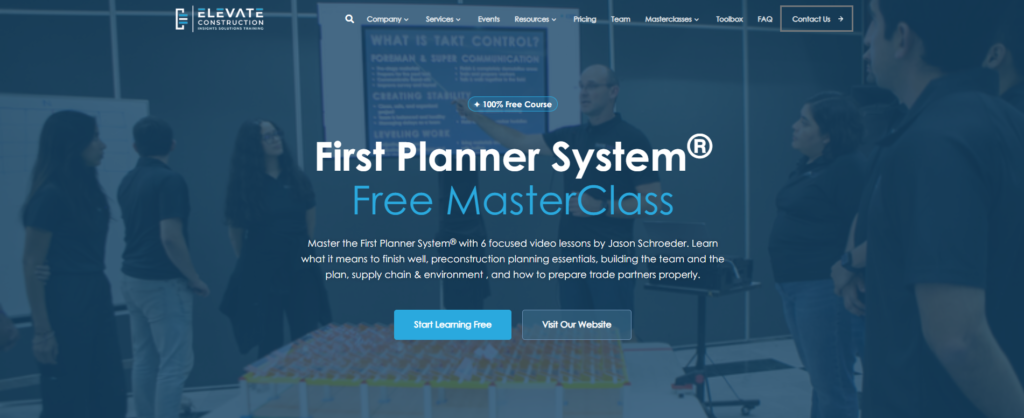
Masterclasses

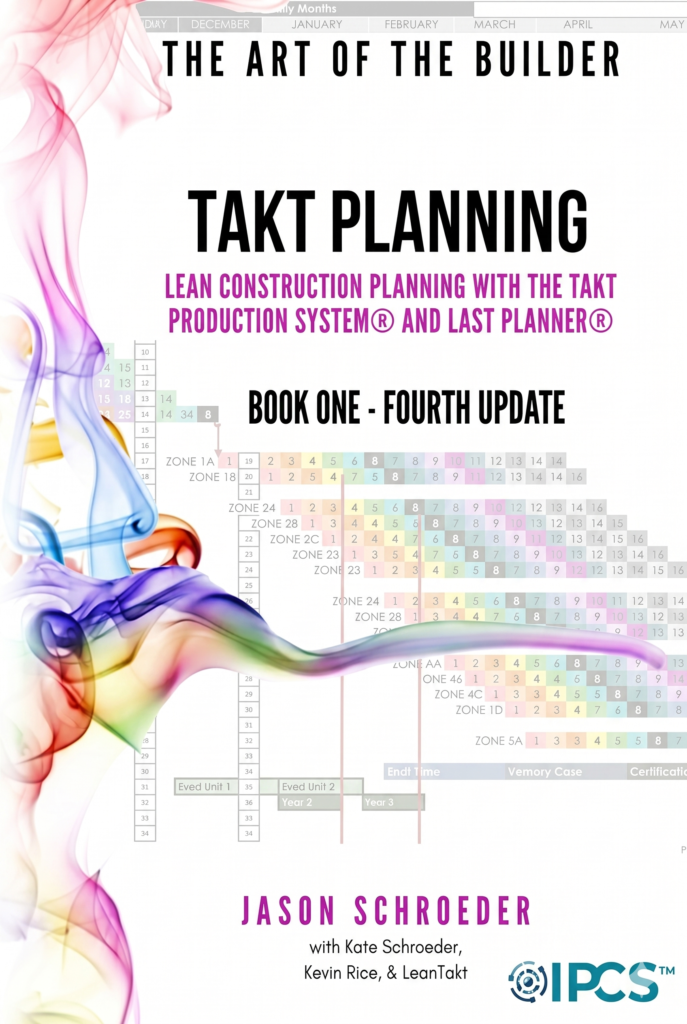
Books
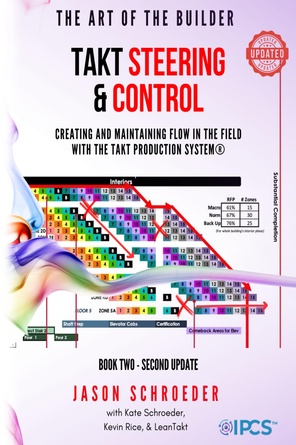
Reference Vocabulary
Takt Definitions
The terms below define the language of The Takt Production System®. They establish a shared vocabulary for builders, planners, and steerers so that the system’s ideas can be discussed, taught, and applied with precision. A selection of key definitions is shown here — click below for the complete reference.
Buffer
Time inserted between two activities which lessens or moderates the impact of a delay. In a Takt Plan, buffers are visible, agreed upon, and engineered into the system rather than hidden inside individual durations.
Takt Time
The defined duration that each trade process spends in a zone before moving to the next — the drumbeat that paces the train of trades. Takt time governs the rhythm of zone turnover and, together with zone size, determines how fast work moves through a phase.
Train of Trades
Trade crews performing work in a sequence that are leveled and packaged into takt wagons. It symbolizes the function of the trades when working together going the same speed and the same distance apart.
Flow
The condition in which work moves through a designed sequence at a predictable rhythm, through stable zones, with crews finishing what they start and handing it off cleanly to the next trade. Flow is the goal of the Takt Production System®.
Zone
A location-based grouping of work inside a phase — the physical territory a trade works in during one Takt time. Zones are shaped to balance work density, not square footage, so that the train of trades can move at a consistent pace.
Roadblocks
Anything that can hold up the progress of work done in a sequence or train of trades. Unlike constraints, roadblocks are obstacles in the environment — missing materials, late information, unfinished prerequisite work — that must be seen and removed quickly.
Last Planner®
A system for project production that promotes the creation of a collaborative and predictable workflow among various parties so that it achieves reliable results.
Work in Progress (WIP)
The total amount of work that has been started but not yet finished. Excess WIP increases throughput time, hides problems, and creates the conditions for trade stacking.
Percent of Promises Complete (PPC)
A weekly leading indicator that measures how many of the commitments trade foremen made during weekly work planning were actually fulfilled. Healthy projects sustain a PPC above eighty percent.
Academic Resources
Download TPI Curriculum Framework
The TPI Curriculum Framework gives universities and training institutions a structured, standards-aligned foundation for teaching the Takt Production System®. It covers the core principles, learning objectives, assessment benchmarks, and sequencing logic needed to build a Takt course that holds up in the classroom and on the jobsite. The framework is free, always will be, and is designed to slot into existing construction management, civil engineering, or Lean construction programs with minimal adaptation.
PDF · Free download · Available to all educators
Course Materials
Download Plug-and-Play Course Syllabi
These ready-to-use syllabi are designed for instructors who want to introduce Takt Planning, Steering, and Control into an existing course or build a standalone module from scratch. Each syllabus is mapped to the Takt Production System®’s core components — from zone design and Takt time calculation through to trade flow, roadblock removal, and production steering. They are written to work in a single semester or as modular inserts, with weekly topics, reading assignments, and
measurable learning outcomes already built in. Adapt them freely — they are yours to use.
PDF · Free download · Available to all educators
Takt Resources
Blogs
How Takt Enables Operation’s Science
July 6, 2026
Muri, Mura, Muda: Why the Order Matters in Takt Construction
June 3, 2026